What the blog covers
Curated reads on Crimean cities, dining and hospitality, plus global travel inspiration.
Crimean hospitality
Rounded guides to the best hotels of Crimea, from five-star stays to wallet-friendly rooms along the southern coast.
Cities & sights
City-level primers for Yalta, Balaclava and Simferopol, alongside the most picturesque places in the region.
Food & wine
Notes on the best cafes and restaurants of Crimea, plus a tasting tour of regional wines.
Three rules of a successful restaurant
An excerpt from the food beat: what separates the cafes that thrive from those that don't, drawn from long-running notes on Crimean kitchens.
Featured galleries
Visual highlights from the archive — scenic places, southern coastal stays, and the cellars worth a visit.
Crimea's southern coast unfolds like a chapter from an old travel journal, where mountain ridges tumble toward a deep blue sea and every promontory seems to hold a story. Writers and wanderers alike have long been drawn to this stretch, returning home with notebooks filled with observations about light on stone, the rhythm of waves against cliff bases, and the quiet persistence of small villages clinging to the shore. The peninsula occupies a peculiar place between East and West, and that hybrid character lingers in its atmosphere. From the moment travelers set foot on its roads, the sense of crossing into somewhere distinct becomes unmistakable, promising experiences shaped by both geography and memory. Looking for a completely different kind of stay? Unusual Hotels in Crimea: Sanatoriums, Palaces and Sea Views From converted Soviet sanatoriums to cliffside palaces, discover the most unusual hotels in Crimea where history meets the sea.
The cities along this coast each carry their own temperament, shaped by centuries of changing hands and shifting fortunes. Yalta reads like a resort town in full bloom, with seaside promenades and grand hotels recalling an era when aristocrats arrived by steamer. Balaclava, tucked into a narrow bay, whispers of ancient fortifications and quiet coves where small boats still bob at anchor. Simferopol, the inland capital, offers a more everyday rhythm, its markets and leafy squares serving as a counterpoint to the coastal drama. Taken together, these places give visitors a layered portrait of the region, where resort polish sits comfortably beside the patina of older streets.
Hospitality on the southern coast has long balanced the demands of travelers seeking comfort with those pursuing simplicity. Large resort hotels line much of the shoreline, offering polished rooms and sea-view terraces, while smaller guesthouses and family-run lodgings dot the quieter neighborhoods. The contrast between five-star grandeur and modest, welcoming rooms is part of what gives the peninsula its particular texture. Visitors often find that the difference between establishments is not only a matter of scale but of perspective: the grand hotels frame the landscape like paintings, while the smaller stays place guests directly into the texture of local life. Both approaches have their own reward.
Cuisine across the peninsula draws generously from the surrounding landscape and sea, blending techniques learned from neighbors and travelers over generations. Tables often feature fresh fish from the Black Sea, vegetables ripened on terraced hillsides, and breads baked in wood-fired ovens. Along the coast, small cafes serve plates of grilled meats and herb-filled pastries, while inland restaurants lean toward heartier stews and preserved vegetables. The food tends to feel grounded rather than ornamental, and meals tend to linger, encouraging long conversations and unhurried afternoons. Even modest establishments take pride in generous portions, and the ritual of sharing a meal remains central to how the region's culture expresses itself.
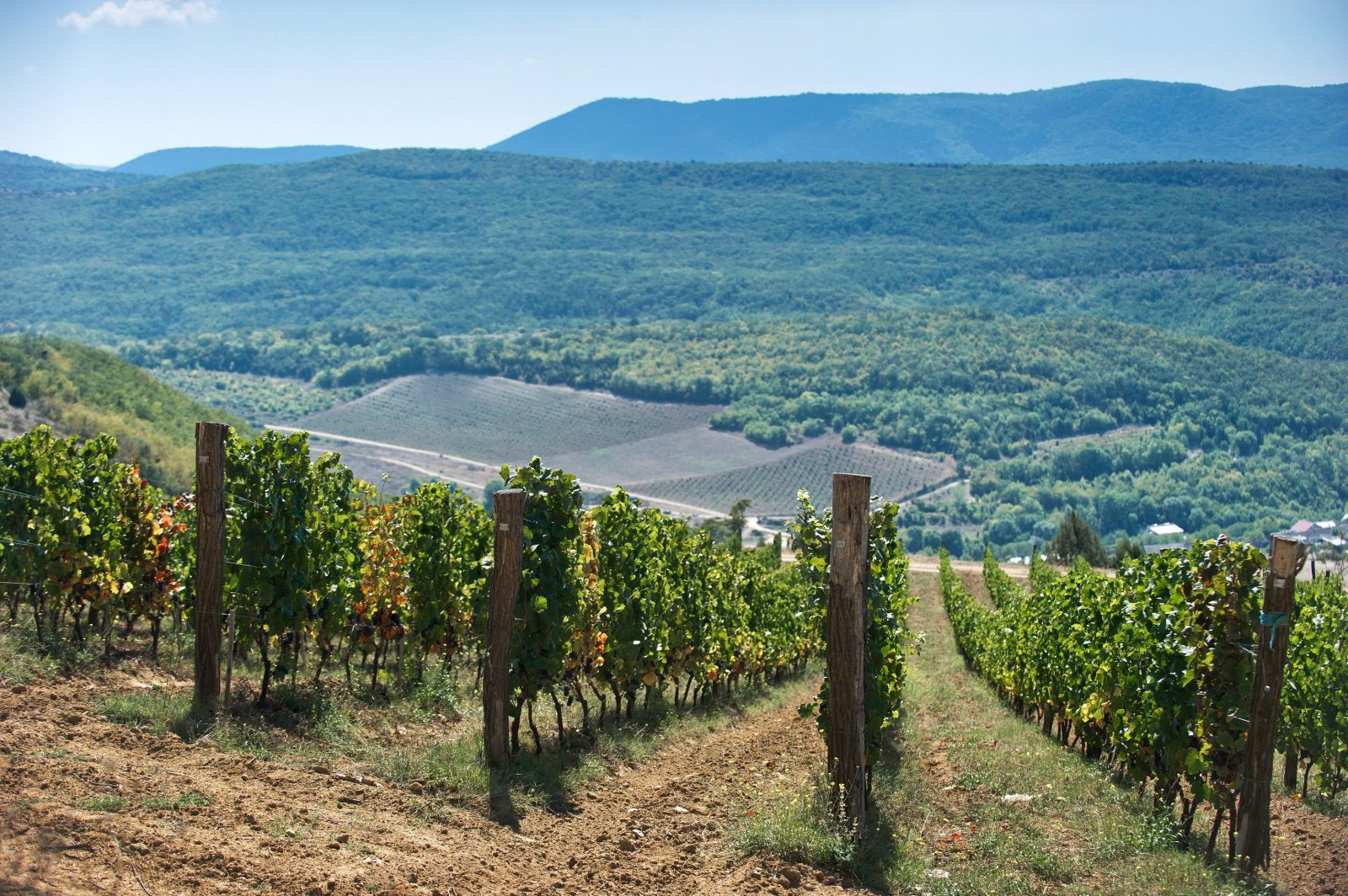
Wine forms another thread woven through Crimean identity, its roots reaching back many centuries. Vineyards step up hillsides where the climate permits long, sun-filled ripening seasons, and cellars tucked into old stone buildings still age bottles using techniques refined over generations. Local producers cultivate both international grape varieties and traditional ones better known within the region itself, producing a range from crisp whites to deep, structured reds. Visitors touring these estates often find that winemaking here carries a sense of continuity, connecting present-day tables to older agricultural rhythms. For travelers, the experience offers more than a tasting; it provides an entry into how the land itself is read and understood.
Beyond the well-known resort towns, the peninsula shelters a quieter side that rewards those willing to wander off the main routes. Mountain trails climb toward upland pastures where shepherds still guide flocks through age-old patterns, and forgotten ruins stand among forests, hinting at layers of human history. Secluded beaches hide beneath cliff edges, reachable only on foot along paths that reward effort with solitude. These lesser-visited corners appeal to travelers seeking a slower rhythm, where the absence of crowds reveals a different texture of the region. Exploring them adds depth to any visit, balancing the polish of the resort coast with the wilder character of the interior.
Travelers planning a journey often find that timing shapes the experience as much as destination. Summer brings warm seas and long evenings, when outdoor cafes stay open late and coastal paths glow under evening light. Spring and autumn, by contrast, offer cooler air and thinner crowds, allowing a more contemplative pace, with vineyards turning color and hillsides taking on softer tones. Winter, while quieter, draws visitors interested in stark landscapes and the calm of off-season towns. Each season reveals a different facet of the peninsula, and choosing when to visit becomes part of the planning process, matched to personal preferences and the kind of atmosphere a traveler hopes to encounter.
Reaching the region typically involves arriving through one of its gateway cities and then traveling onward by road or rail, with coastal roads themselves forming part of the experience. The drives wind through passes where mountains meet the sea, offering sweeping views and frequent opportunities to stop at viewpoints, small villages, or roadside markets. Local transport connects the larger towns with reasonable frequency, though travelers exploring remoter corners often appreciate the flexibility of their own arrangements. Regardless of how one moves through the landscape, the act of travel itself becomes part of the memory, shaping the way the journey is remembered long after returning home.
Travel writing about Crimea often captures more than sights; it reflects a way of paying attention. Authors such as the one behind this blog chart places through personal observation, describing how a particular hotel felt at dusk, how a local dish was served, how a trail revealed itself turn by turn. This approach turns a guide into something closer to a shared notebook, inviting readers to imagine themselves along the same roads. For those planning a future visit, such writing can be as useful as any map, offering impressions and details that official descriptions rarely capture, and shaping expectations in ways that make the actual journey richer and more rewarding.